



When choosing a rugged case, the phrase “military grade drop tested” gets used a lot — but not every claim tells the full story. At InfoCase, we go beyond the marketing buzz to deliver military-grade protection for your devices. Because at InfoCase, durability isn’t optional — it’s engineered.
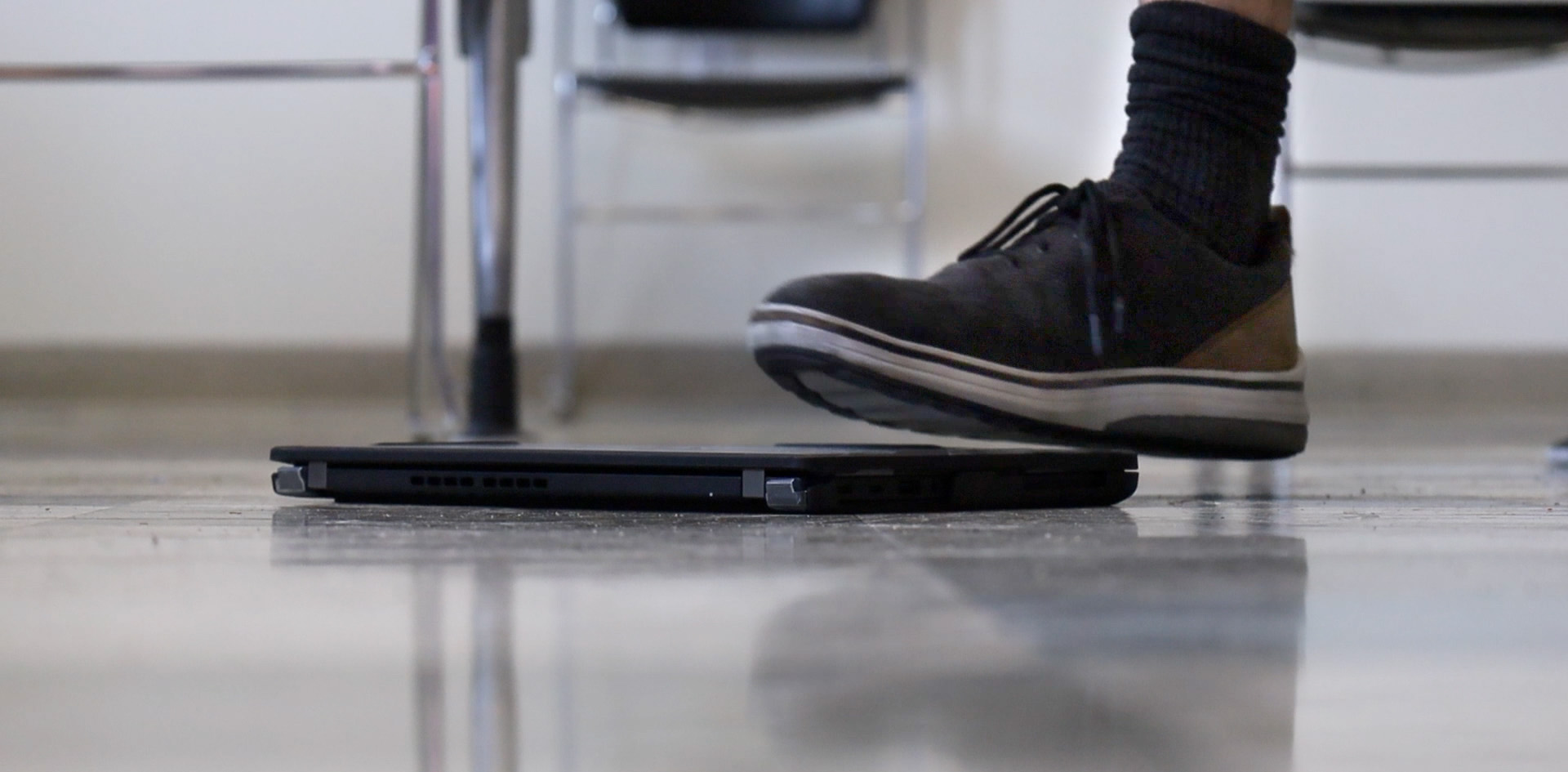
Our newest drop test compilation video gives you a glimpse of the durability in action. Behind the scenes, our products are tested to meet the intent of MIL-STD-810H Method 516.8 drop testing standards: combining certified third-party testing with in-house evaluations on tile flooring to simulate real-world conditions. This balanced approach ensures every case we build is ready for the challenges of everyday use.
What Is MIL-STD-810H Drop Testing?
The MIL-STD-810H standard is the U.S. Department of Defense’s benchmark for rugged durability. Specifically, Method 516.8 outlines the drop and shock tests used to measure whether a product can withstand real-world handling and accidents.
Key details of MIL-STD-810H drop tests:
- Drop Height: Standard tests are conducted from 4 to 5 feet for “Logistic Transit” (everyday handling) and “Tactical Transport” (field use) scenarios. At InfoCase, we continue to test beyond these heights to continually raise the bar for durability
- Drop Surface: A hard, non-yielding surface designed to ensure the device and case absorb the majority of impact energy
- Drop Scenarios: Simulates both everyday handling and harsh tactical conditions
- Number of Drops: 26 drops, distributed across multiple surfaces of the devices, to test every impact angle

While MIL-STD-810H testing typically spreads the 26 required drops across up to five devices, InfoCase performs all 26 drops on a single device. This more rigorous approach demonstrates the true durability of our designs and our commitment to real-world performance. By meeting (and exceeding) the standards, InfoCase ensures your device is safe from damage in classrooms, offices, hospitals, warehouses, and the field.

Why Third-Party Drop Testing Matters
Inside InfoCase’s In-House Testing Facility
To stay ahead of device launches and rapidly evolving environments, our state-of-the-art testing lab at the Gamber-Johnson headquarters allows us to:
- Recreate extreme drop and impact conditions
- Run additional high-quality durability tests beyond military standards
- Accelerate design innovation for new devices
This dual approach, third-party validation plus in-house testing, is how we guarantee that our rugged cases meet the highest standards of device protection.
Why Military Grade Protection Matters for You
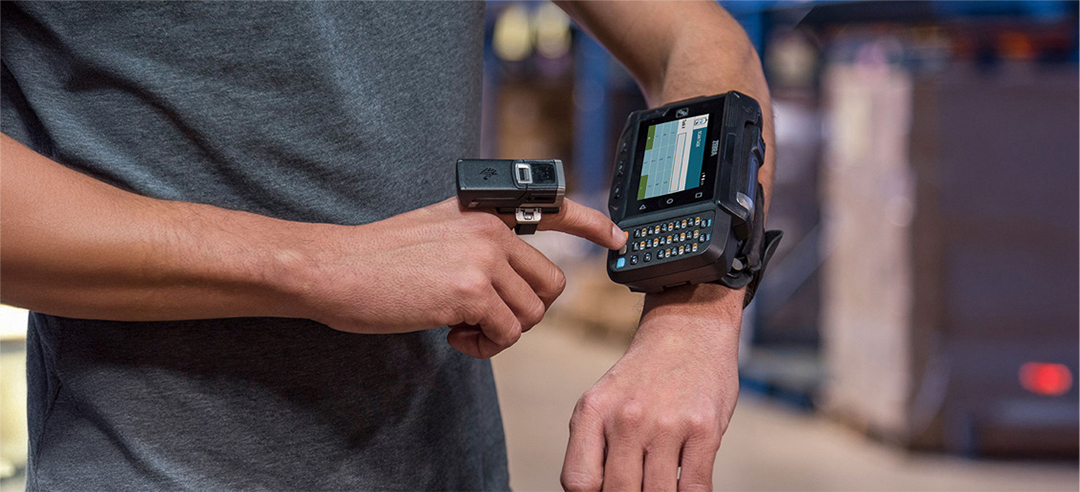
Whether you’re protecting laptops in a classroom, tablets in healthcare, or field devices in logistics, a single drop can cause costly downtime.
By investing in a MIL-STD-810H drop tested rugged case, you ensure:
- Reduced repair and replacement costs
- Minimized downtime
- Extended device lifespan
- Peace of mind in every environment
Pushing Testing Beyond the Standard
At InfoCase, meeting the standard is just the starting line. Our cases are tested in accordance with MIL-STD-810H methods through accredited third-party labs — proving they’re built to withstand real-world challenges. But we’re never satisfied with “tough enough.” We continuously evolve our testing to reflect how your teams really work, in every environment and condition.
On the horizon for expanded testing:
-
Thermal Testing: Evaluating performance under extreme heat and temperature swings
-
Cold-Weather Testing: Ensuring materials stay flexible and protective in freezing conditions
-
Hinge & Mechanism Durability Testing: Simulating thousands of open-close cycles to verify long-term reliability
-
Moisture & Humidity Resistance: Testing resilience against spills, steam, and high-humidity environments
-
Extended Drop & Vibration Testing: Pushing beyond MIL-STD heights and impact angles to challenge every point of protection
At InfoCase we don’t just pass standards, we set them. Because durability doesn’t stop at compliance — it’s something we prove, improve, and perfect every day.