



In this blog, we’ll cover:
- School needs and restrictions that OEMs account for
- How devices are damaged and can fail faster
- The importance of a well designed and tested case
Walk into almost any school district and you will hear the same question: “Why don’t OEMs just make truly rugged Chromebooks for schools?” It’s a reasonable question. On the surface, more rugged sounds like the obvious answer. But when you look at the full set of tradeoffs schools, OEMs, and their partners are balancing, the answer becomes clearer. For K-12, the answer is not fully rugged hardware. It’s rugged enough.
Schools need devices to be:
- Affordable
- Light enough for students to carry all day
- Powerful enough to run today’s classroom instructional tools
True rugged designs improve durability but also:
- Come with a very high price tag
- Add noticeable weight
- Often sacrifice top classroom requirements like battery life, form factor flexibility, ease of repair, and overall student comfort
The Design Reality OEMs Face
OEMs are asked to hit an extremely tight balance point: lower cost, lower weight, thinner designs, and durability that holds up to daily student use.

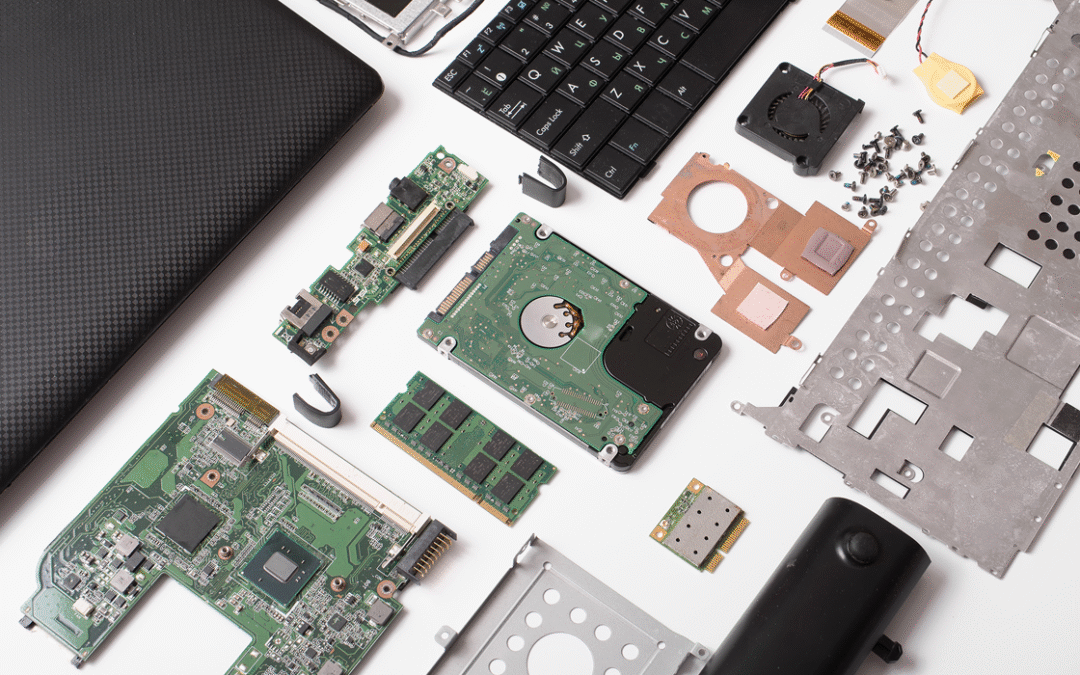
To achieve that balance, OEMs make thoughtful engineering tradeoffs. Modern education Chromebooks use slim display housings and lightweight materials to remain affordable and portable at scale. Internal structures around the screen and hinge system are designed to work within those tight physical constraints.
This is not a defect or a shortcut. It’s the reality of building lightweight, cost-effective devices for education.
Why Screens and Hinges Dominate Repair Tickets
When student devices come in for service, two issues appear more than any others: cracked displays and hinge damage.
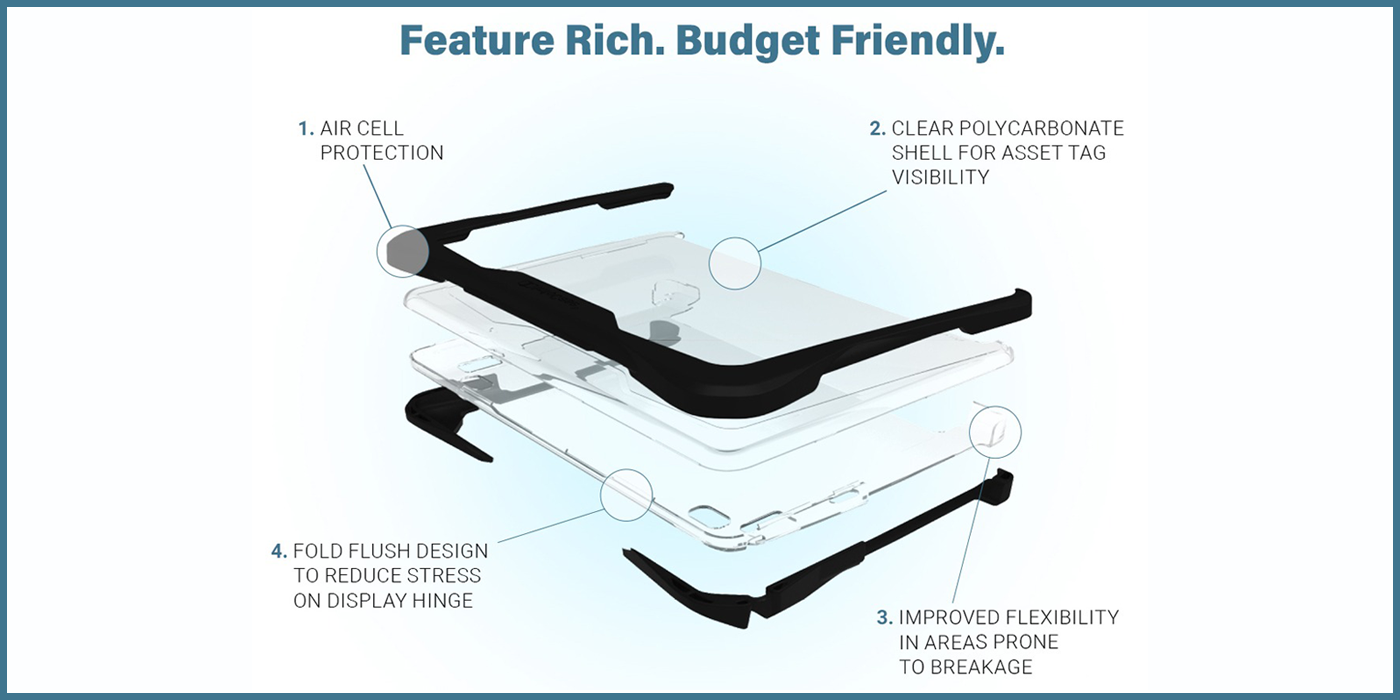
Normal open-and-close cycles contribute to wear over time, but the greater stress comes from everyday classroom realities. Repeated drops, awkward handling, and life inside a backpack increase the forces acting on screens and the hinge system. Over a four-year lifecycle those forces compound, and when weight or impact loads are concentrated in the wrong areas, screens break and hinge wear accelerates. What begins as minor stress early on often becomes a larger repair issue later in the device’s life.
Why Protection Matters in Real K-12 Environments
Student Chromebooks operate in an environment that is uniquely demanding. Unlike enterprise devices, K-12 hardware must balance durability with affordability, weight, and comfort, while also supporting instructional models that are increasingly scrutinized for how and when screens are used. While fully rugged devices can make sense in commercial settings where ROI is clear, that approach rarely works at school scale.

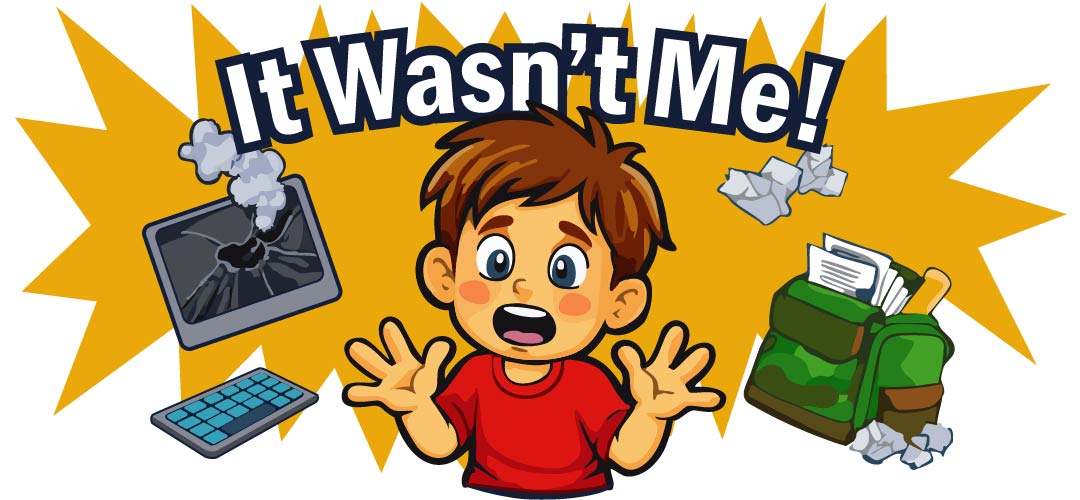
Why Devices Fail Faster
Situations in which protection is tested include when devices are:
- Dropped in hallways, on buses, and on concrete at dismissal
- Stuffed into backpacks with binders, water bottles, sports gear, and lunch containers
- Bumped off desks when students stand up in a hurry
- Carried one-handed by the screen, not the base
- Exposed to liquids and crumbs that easily fall between the cracks
- Subjected to social-media-driven stunts, some of which involve deliberately stressing device ports and components
Why Devices Fail Faster
Situations in which protection is tested include when devices are:
- Dropped in hallways, on buses, and on concrete at dismissal
- Stuffed into backpacks with binders, water bottles, sports gear, and lunch containers
- Bumped off desks when students stand up in a hurry
- Carried one-handed by the screen, not the base
- Exposed to liquids and crumbs that easily fall between the cracks
- Subjected to social-media-driven stunts, some of which involve deliberately stressing device ports and components
The Unique Demands of K-12
That reality makes protection an important part of extending the life of student Chromebooks. As device pricing continues to rise due to memory and processor constraints, schools are being asked to do more with fewer devices, maximize return on investment, and protect instructional time by keeping students connected when learning depends on it.
For district leaders, these realities directly affect both budget predictability and classroom continuity, where device downtime quickly turns into lost instructional time.
When Protection Is Critical, Design Matters
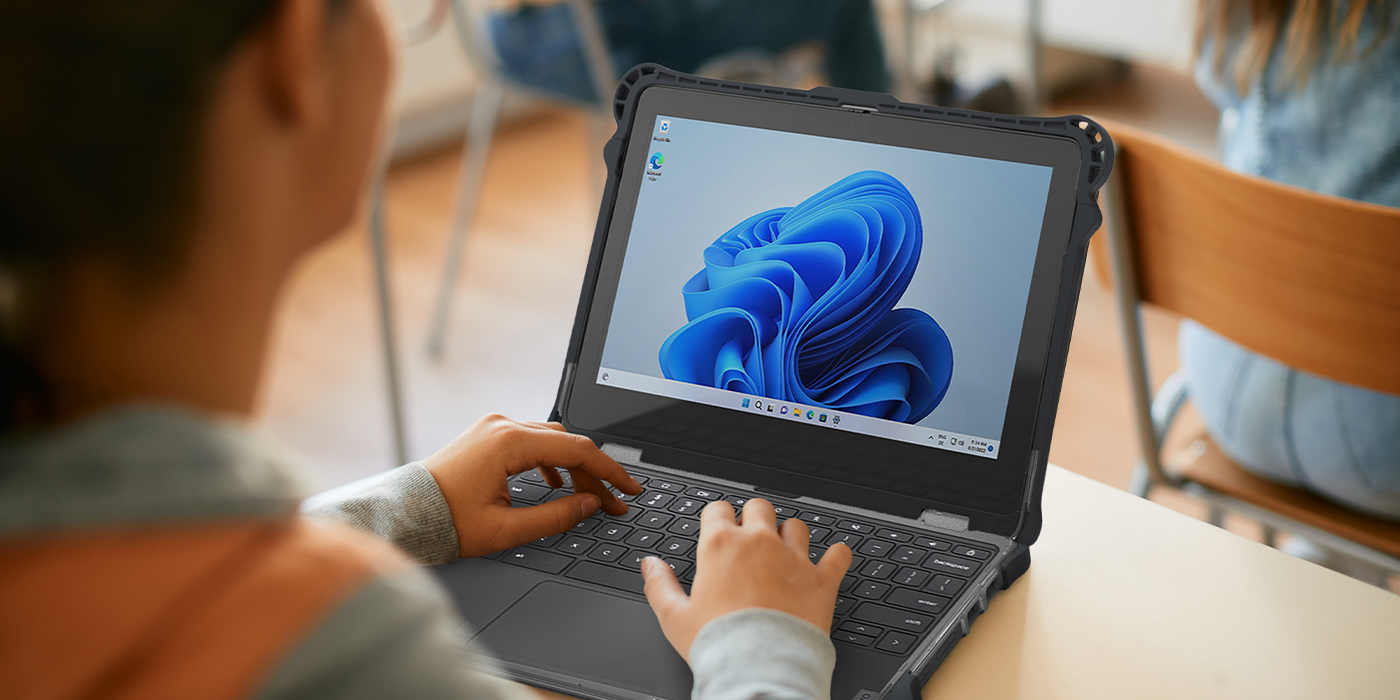
Protection alone is not enough. The design of the case matters. When protection is thoughtfully engineered, the case does more than shield the device. It becomes part of how the Chromebook manages real-world stress in a student’s hands. Not all cases perform the same way. Some design choices unintentionally introduce additional stresses that the device was never engineered to handle.
In some designs, added material intended to improve protection can increase leverage during everyday use or alter how impact forces move through the device. When forces are redirected instead of absorbed, stress accumulates in areas that were never designed to carry it. In addition, when a case does not fit the device snugly, impact forces can shift unpredictably, accelerating long-term wear rather than reducing it.
Where the Case Becomes Part of the Engineering
A protective case should do more than absorb impact. It should work with the device’s design, not against it. That means protecting the device without restricting natural hinge movement, without concentrating forces into sensitive areas, and without changing how the device was engineered to function. The goal is not to make the device heavier or stiffer, but to preserve performance while absorbing real-world classroom abuse.

Rugged Enough For K-12
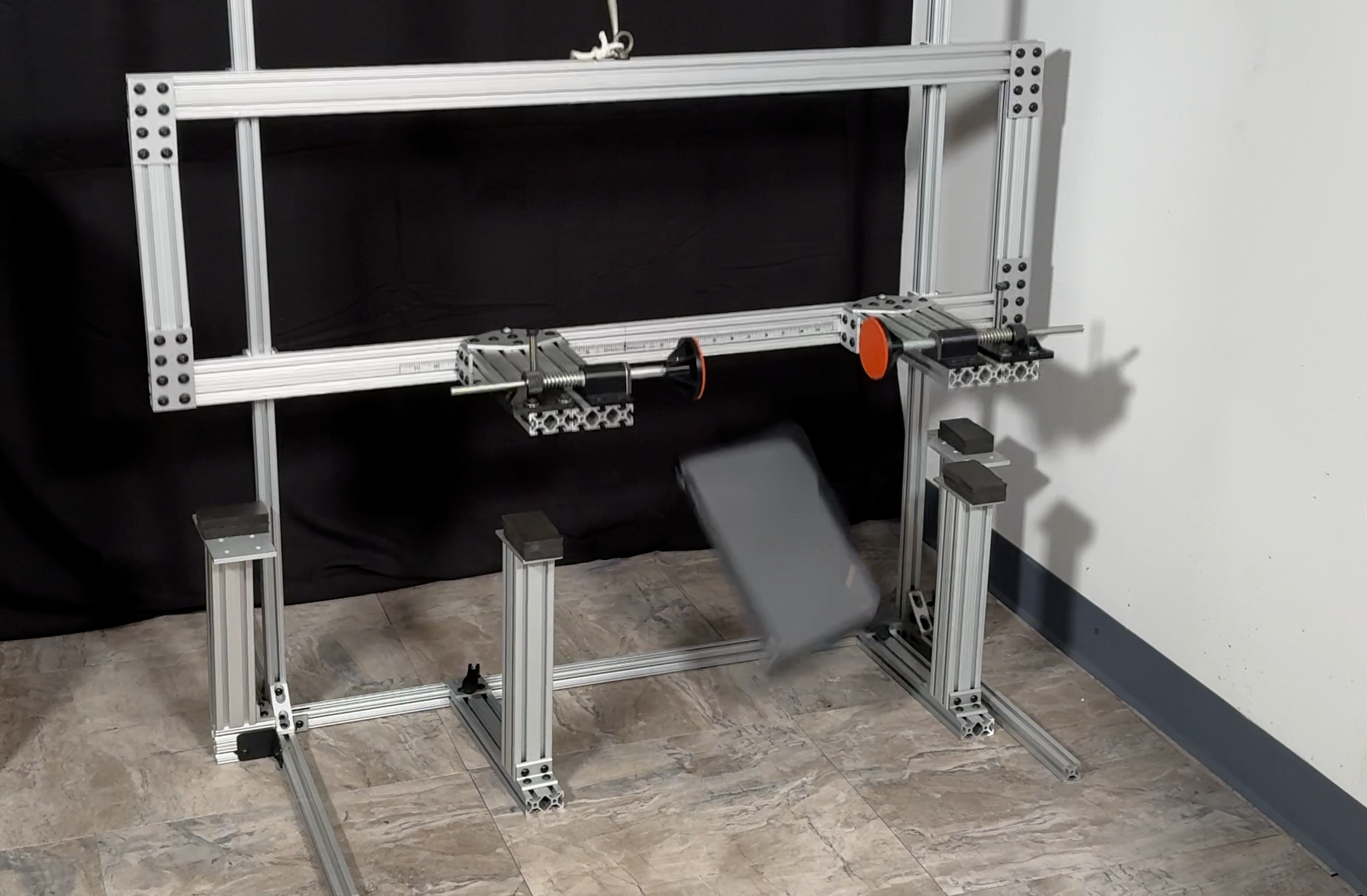
The most effective protection solutions are validated through real-world testing. Drop testing, repeated open-close cycling, and simulated classroom handling help confirm that a case protects the device without introducing new failure points.
Rugged Enough Is Not a Compromise

Most districts aren’t looking for indestructible devices. They’re looking for solutions that respect how students actually learn. OEMs are doing a strong job delivering lightweight, affordable devices for schools. The right protective solutions extend that engineering rather than fighting it.
For districts, OEMs, and the partners who support them, rugged enough means acknowledging real classroom conditions and addressing them with thoughtful design instead of brute force. K-12 doesn’t need rugged, and they don’t need semi-rugged. A delicate balance is best – rugged enough for the classroom.
InfoCase knows this, and we are committed to ensuring your devices have what you need. Find solutions that are right for you.